
School's Out - But Life Didn't Get the Memo!

I am always excited for the start of summer! There are often slower mornings, no homework, and no rush for evening sports. However, having your kids at home for long stretches can lead to more sibling arguments, more "I'm bored" complaints, and increased parent overstimulation. Summer break is often seen as a much-anticipated pause from school routines. Yet, for many parents, the reality is far from a peaceful break. The days may seem longer, but life doesn’t slow down. With managing unpredictable schedules, dealing with kids' intense emotions, and balancing family needs, summer can quickly become a whirlwind. And when you add vacation... well, you know. This guide offers practical advice to help parents navigate the chaos, embrace the challenges, and find moments of joy in the beautiful mess of summer.
Understanding the Summer Schedule Shuffle
When school ends, the structured rhythm disappears. Schedule changes don't just shift routines, they shift everyone's emotional baseline. Grace is the best packing item you've got! Kids want to play, attend camps, visit friends, and relax. Parents want to keep everyone safe, engaged, and happy.
Key challenges include:
Unpredictable daily routines: Without school bells, days can start late or feel unplanned.
Balancing activities: Camps, playdates, family trips, and chores compete for time.
Work commitments: Parents often still work full-time, creating a mismatch between their schedules and kids’ free time.
Then come the vacations! The beach trips, family visits, and more. Incorporating this element into the mix can contribute to chaos, stress, fatigue, and heightened emotions.
The truth is, big schedule changes stir up big feelings for kids and for grown-ups. And when you add travel, time zone shifts, overstimulation, and the sweet exhaustion of a beach day into the mix? You've got yourself a full-on emotional roller coaster. The good news: every feeling has a color, and naming them is half the battle.
The Summer Emotional Roller Coaster Is Real
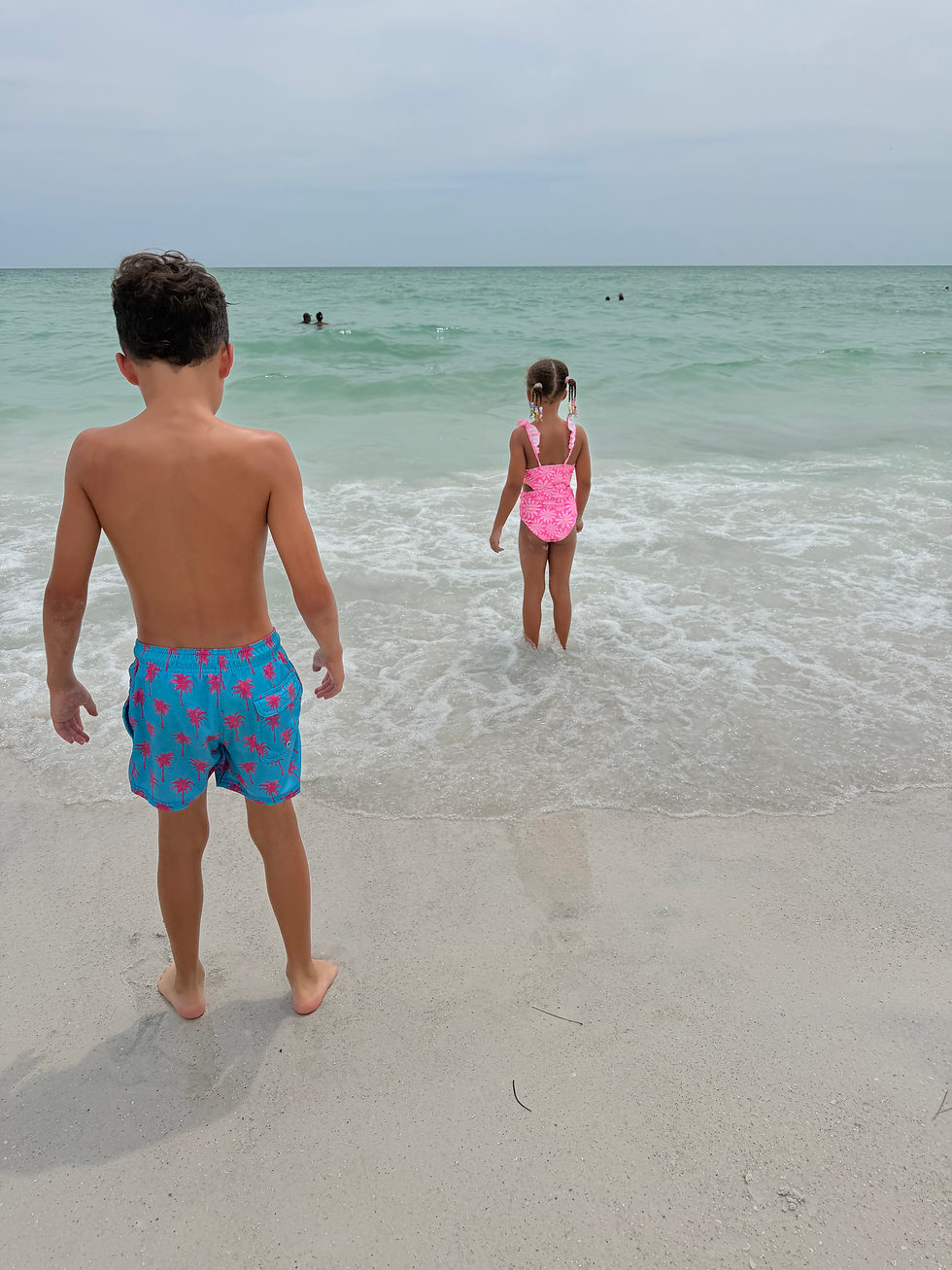
You're on vacation. Everyone is supposed to be happy. The photos are cute. The ocean is right there. And yet your three-year-old is melting down because his sandwich got cut the wrong way, your six-year-old is complaing its too hot and she has sand in her mouth, and you haven't slept past 6 AM since you arrived.
Here's what's actually happening: overtired kids + unfamiliar environments + broken routines = feelings with nowhere safe to go. Summer scrambles the sensory and emotional cues kids rely on every single day. School has structure and even when kids resist it, they know what comes next. Summer doesn't always offer that, and for many kids, the uncertainty shows up as irritability, clinginess, tearfulness, or big outbursts over tiny things.
Summer feelings you might spot in your home:
Cranky & Overstimulated
Excited but Anxious
Missing Routine
Free & Joyful
Overwhelmed & Quiet
Bored (Wants Connection)
When you can name the color of what's happening, even casually, like "Ooh, are you feeling some red feelings right now?", you give your child a bridge between their big experience and the words that make it manageable. That's the whole magic of the Colorful Feelings approach.
Handling Big Feelings During Summer
So whu does summer stir up strong emotions in kids and parents alike? Its ack of routine, social changes, and sometimes boredom that can lead to frustration, anxiety, or sadness.
Common emotional challenges:
Kids missing friends or school structure.
Feelings of boredom or restlessness.
Parents feeling overwhelmed or guilty about balancing work and family.
Ways to support emotional well-being:
Acknowledge feelings openly. Let kids know it’s okay to feel upset or bored.
Create a feelings check-in routine. A simple question like “How are you feeling today?” can open dialogue.
Encourage creative outlets. Drawing, journaling, or music help kids express emotions.
Practice mindfulness together. Short breathing exercises or nature walks calm nerves.
Set realistic expectations. Accept that some days will be messy and that’s normal.
5 Summer Activities That Sneak in Colorful Feelings
LOW EFFORT, HIGH CONNECTION
Whether you're on a road trip, staying at grandma's, or just trying to survive another week of camp drop-offs, these activities require almost nothing to set up but they open big emotional conversations naturally.
The Feelings Color Hunt
Wherever you are, a rest stop, hotel lobby, beach, or backyard: challenge your child to find objects that match how they feel. "Can you find something that's the color of your mood right now?" It sounds simple, and it is. But it sparks real conversation without the pressure of "how are you feeling?" and works beautifully for kids who don't naturally open up with words.
Ties to: any feeling color from our books
The Bedtime Feelings Check-In Story
Instead of asking "How was your day?", try this: "If today were a color, what color would it be and why?" Then let your child tell you a story using that color. It's a winding-down ritual that doesn't feel like a feelings lesson. You can use Miles or Mariah as a jumping-off point: "What color do you think Miles would be today after our big adventure?" Bonus: it helps overtired, overstimulated brains regulate before sleep.
Perfect paired with: Miles & Mariah books
Feelings Postcards from the Road
Pick up a few cheap postcards (or use index cards from a dollar store) and let your child draw or write about one feeling they had that day. No rules, no wrong answers. You can send them to grandparents, a friend back home, or just collect them as a little vacation feelings journal. Kids who resist journaling often love this because it has a purpose, someone else gets to hear about their experience. And for anxious or homesick kids on longer trips, it's incredibly grounding.
Great for: travel + camp summers
The Car Ride Feelings Game
Long drive? Turn feelings into a game. Each person picks a color from the rainbow and has to name one thing that made them feel that color today or guess what color another family member is feeling and why. It works for toddlers through tweens, it doesn't require any materials, and it turns the "are we there yet" stretch into something surprisingly sweet. Parents can go first to model vulnerability: "I'm feeling a little blue today because I miss our dog." Watch your kids soften.
No supplies needed
Make Your Own Mini Feelings Book
Fold three pieces of paper in half and staple them = instant book. Let your child fill the pages with their summer feelings, one color per page, drawn or described however they want. They can call it their "Summer Feelings Book" or give it any title they like. For kids at camp, this is gold: it gives them something creative to do during rest hour and something meaningful to bring home. For families at home, it becomes a beautiful artifact of the season, the colors of your particular summer together.
Inspired by: Mariah & Miles books
Summer is not meant to be perfect. It's meant to be felt. The sunburns and the belly laughs, the meltdowns at the airport and the quiet moments watching fireflies from the porch. When we give kids the language to express all of it, we're not just making summer easier. We're raising humans who know that every feeling, even the messy, inconvenient, too-big-for-their-bodies ones, has a color, and every color belongs.
That's what Mariah's tutus and Miles's capes have always been about. Not eliminating the hard feelings. But giving them a place to live, a color to wear, and a safe person to share them with.
You're that person. Even when you're exhausted. Even when you're working. Even when the schedule is completely upside down.
Bonus for Parents: Building a Summer Routine That Works
While summer calls for flexibility, a loose routine can provide comfort and predictability. It helps kids know what to expect and reduces daily decision fatigue for parents.
Elements to include in a summer routine:
Morning rituals: Wake-up time, breakfast, and a simple chore.
Activity blocks: Time for outdoor play, learning, or camps.
Quiet time: Reading, puzzles, or rest to recharge.
Family time: Meals together, games, or walks.
Bedtime routine: Consistent sleep time with calming activities.
Managing Screen Time and Digital Balance
With more free time, screens often become a go-to for entertainment. Trust me I am just as guilty! Especially if I need to do a work call or get some lunch made. While technology can be a helpful tool, too much screen time can increase irritability and reduce physical activity.
Strategies for healthy screen use:
Set clear limits. Decide on daily screen time allowances and stick to them.
Choose quality content. Educational shows, interactive games, or family movie nights add value.
Encourage screen-free zones. Keep bedrooms and meal times device-free.
Offer alternatives. Provide books, crafts, outdoor toys, or board games as options.
Model balanced behavior. Parents limiting their own screen use sets a good example.
Finding Support and Community
Parenting through summer chaos doesn’t have to be a solo effort. Building a support network can ease stress and create shared experiences.
Ways to connect:
Organize neighborhood playgroups. Rotate hosting to share supervision duties.
Join local parent groups or online forums. Exchange ideas, resources, and encouragement.
Coordinate carpooling for camps or activities. Saves time and builds connections.
Ask for help when needed. Family, friends, or babysitters can provide breaks.
Embracing the Beautiful Mess
Summer won’t be perfect. Plans will change, feelings will flare, and schedules will get tangled. Instead of fighting the chaos, try to see the beauty in the mess. Easier said than done for sure!
Celebrate small wins. A successful playdate, a new skill learned, or a peaceful moment counts.
Practice patience. Both with your kids and yourself.
Keep humor close. Laughing at the chaos lightens the mood.
Capture memories. Take photos, keep a journal, or collect mementos.
Summer is a season of freedom and unpredictability. By creating flexible routines, supporting emotional health, balancing activities, and seeking community, parents can turn summer chaos into a time of growth and connection. Remember, the goal is not perfect days but meaningful moments.



Comments